District Simplified Grant 2025-26
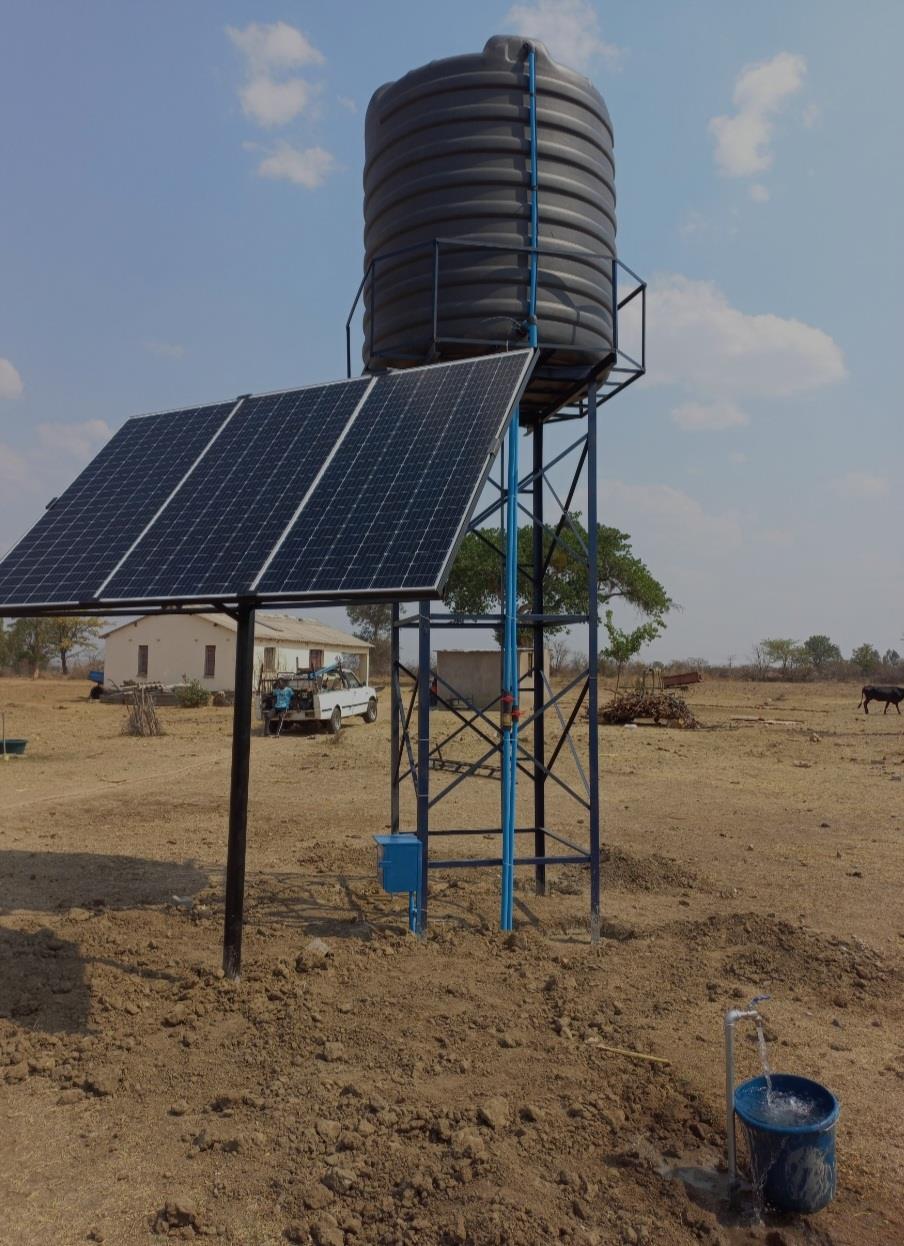
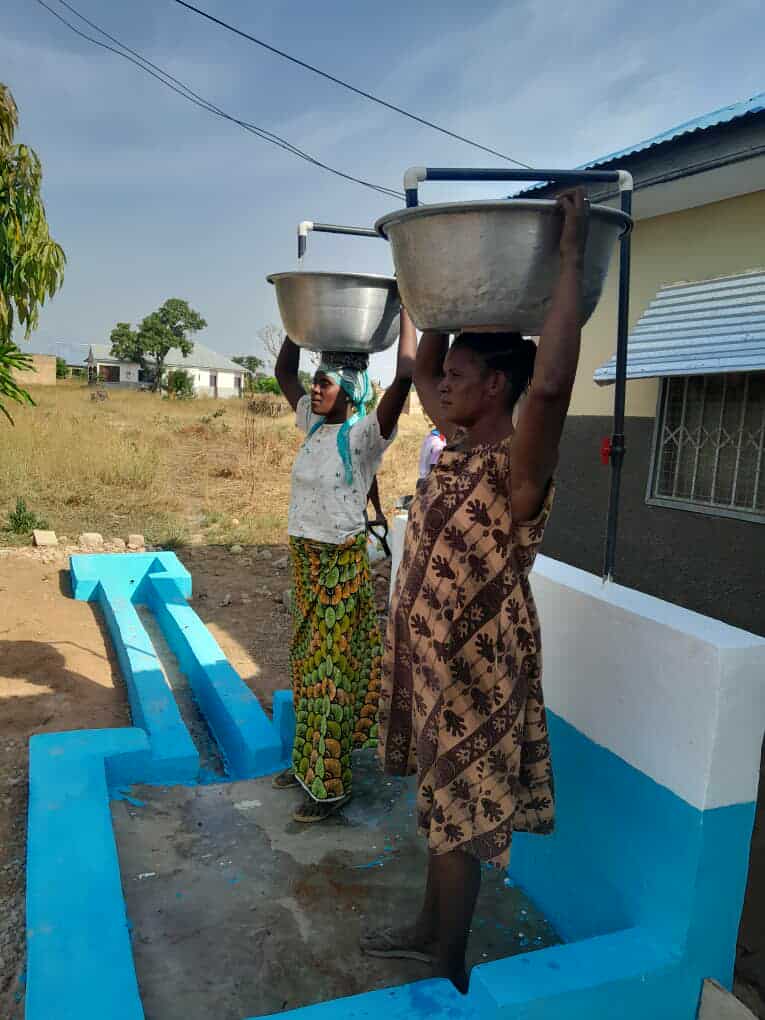
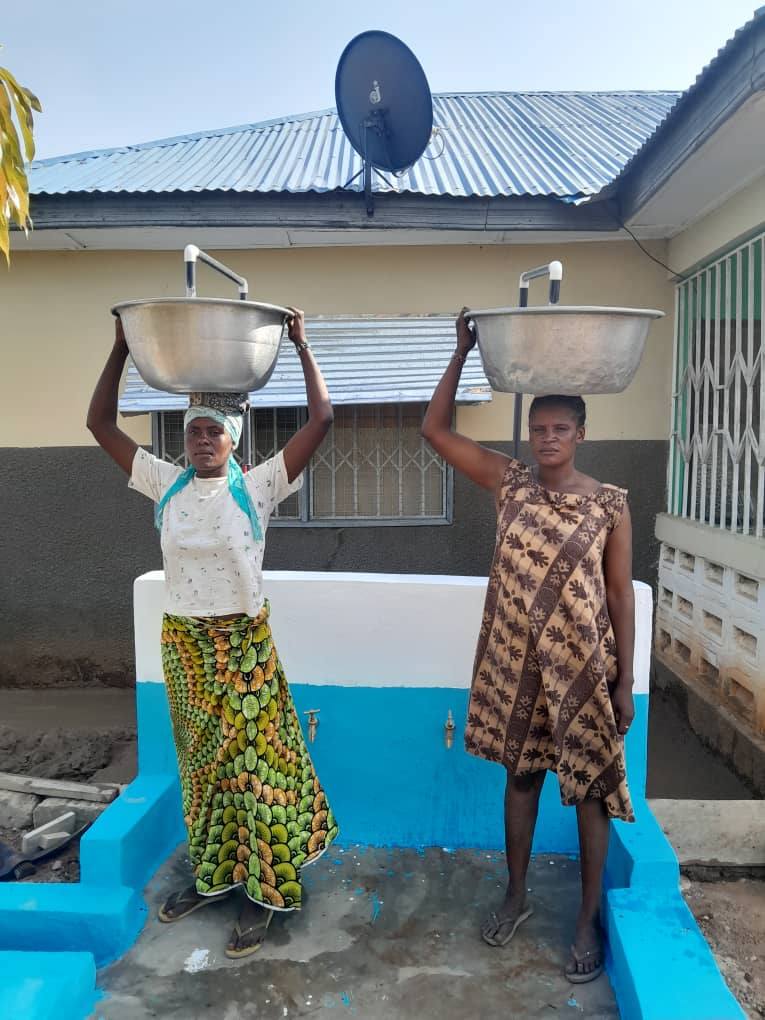
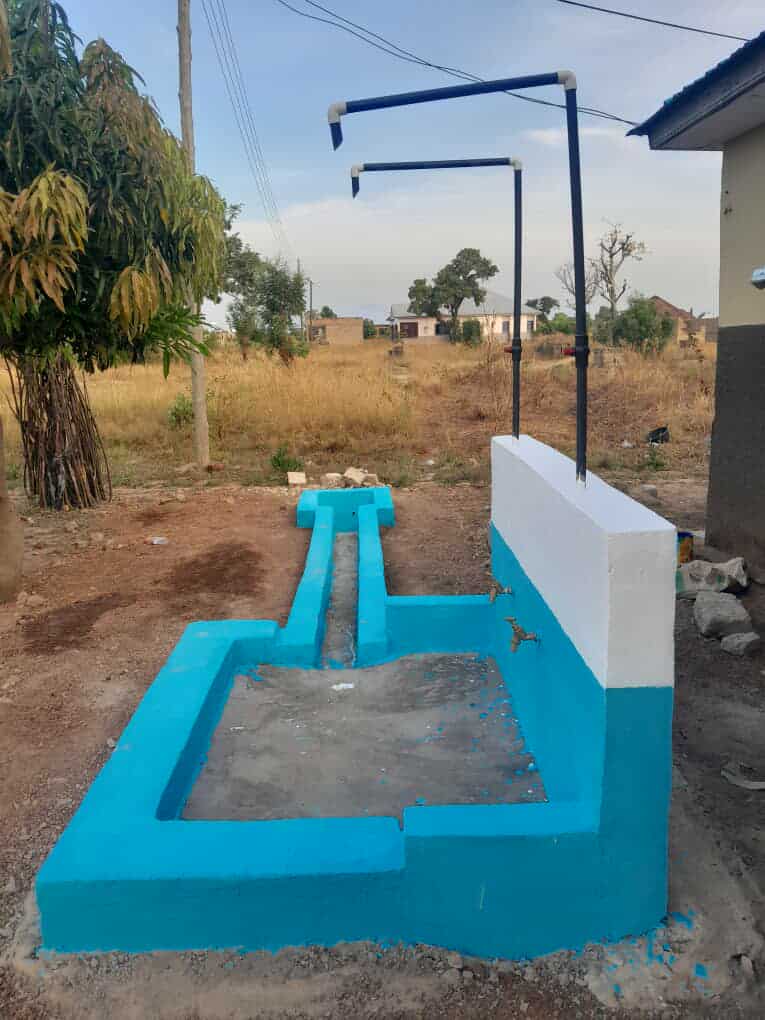
Providing a solar-powered mechanized borehole in Ghana, which is an innovative and sustainable solution designed to provide reliable access to clean water in areas with limited or no electricity. This system utilizes solar energy to power a submersible pump, which extracts water from underground aquifers and delivers it to the surface for various uses such as drinking, irrigation, and sanitation.
Key Features:
Solar Energy Utilization: The borehole system is equipped with solar panels that capture sunlight and convert it into electrical energy. This energy powers the submersible pump, making the system highly efficient and environmentally friendly.
Mechanized Pumping: A mechanized pump ensures a consistent and reliable water supply. The pump can operate continuously during daylight hours, providing a steady flow of water to meet the community's needs.
Water Storage: The system often includes a storage tank, typically made of durable materials like polyethylene. This tank stores the pumped water, ensuring availability even during cloudy days or at night.
Cost-Effective: While the initial installation cost may be higher compared to traditional boreholes, the long-term operational costs are significantly lower due to the use of free solar energy. This makes it a cost-effective solution for rural and remote areas. Sustainability: Solar mechanized boreholes contribute to sustainable development by reducing reliance on fossil fuels and minimizing the environmental impact. They also promote water conservation and efficient water management practices.
Some Background: When Peter Labelle was in Ghana In October, he was just outside of Mole, in a section of Wa Town called Billibow in Wa District Assembly. There is no source of potable water within walking distance. The only source is a shallow creek bed that often dries up during the dry season. He completed a community needs assessment and paid for a hydrological survey. On January 6th, 2025, he paid for a drilled borehole, and a large water reservoir (as shown in the hydrological survey) was struck at 63 meters or 206 feet. He also paid for WATSAN training to maintain the borehole.
The DSG has been requested to make the borehole a Mechanized and solar-powered borehole, as there is no stable grid power. A tower to feed the system by gravity and a chlorinated water reservoir will also be installed.
The Community has agreed that funds will be allocated to the WATSAN committee for chlorination, filters, and maintenance costs.